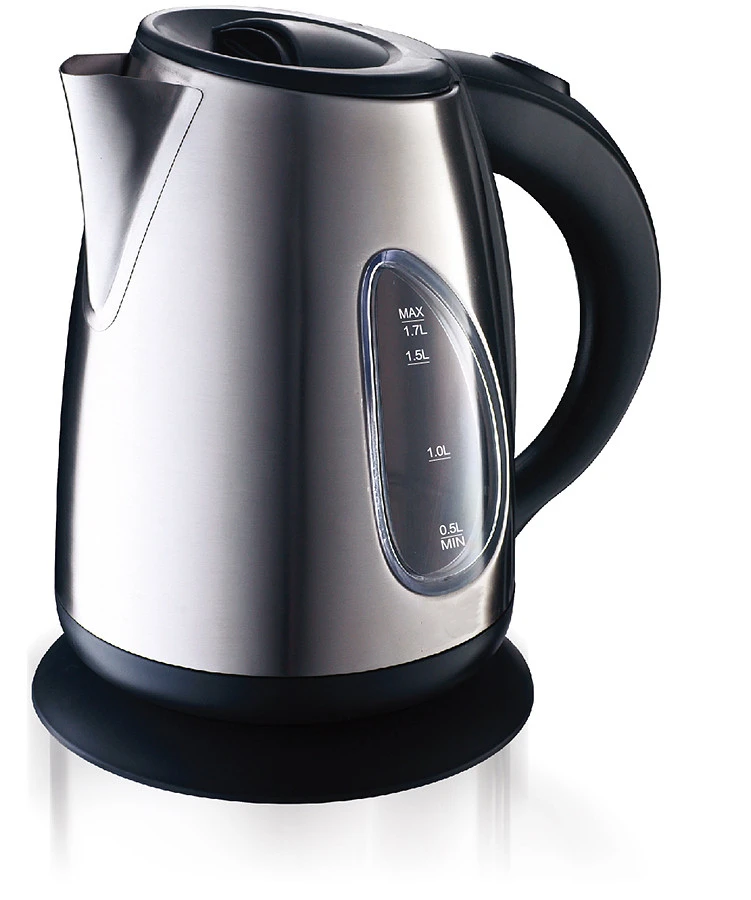
Define the permitted quantity and intended serving vessel before observing the pour. Record the setup and result without extending it to untested conditions.
Agree on the decision first
State whether the proposed buyer decision concerns control into a small opening, clean stopping, or normal handling in the intended setting. Nominal capacity and a product photo identify different aspects of the offer. Neither records the real pouring behaviour.
Use comparable conditions
Ask a qualified reviewer to follow the supplier instructions and use an agreed permitted setup. Record the sample, quantity, receiving container, test conditions and observation criteria. Use a consistent method across the compared samples. Any hot-water observation should follow the team’s normal sample procedure.
Limit the conclusion to the record
Describe the observed behaviour and note any deviations in fill or technique. Request further review if the buyer expects a different serving container or quantity. Keep results with the sample file and avoid promising spill prevention or an outcome for every household.
What to include in your enquiry
Send the full model and destination, the proposed configuration, the buyer decision and the sample or documents already available. Ask which open items can be resolved for the specific order.
- Review the model record
Check the configuration reference.
- Discuss an order or sample review
Provide the intended conditions and open evidence questions.
| Check | Record | Decision |
|---|---|---|
| Decision | Receiving vessel and handling goal | Define what matters |
| Observation | Sample, quantity and conditions | Compare like for like |
| Scope | Result and deviations | Limit any supplier or retail claim |
Can boiling speed tell me which model pours better?
Use separate evidence. A speed measurement and a controlled pouring observation describe different tasks.
Sources
Models covered by this guide
Check the current configuration, source and enquiry requirements on the individual model page.