
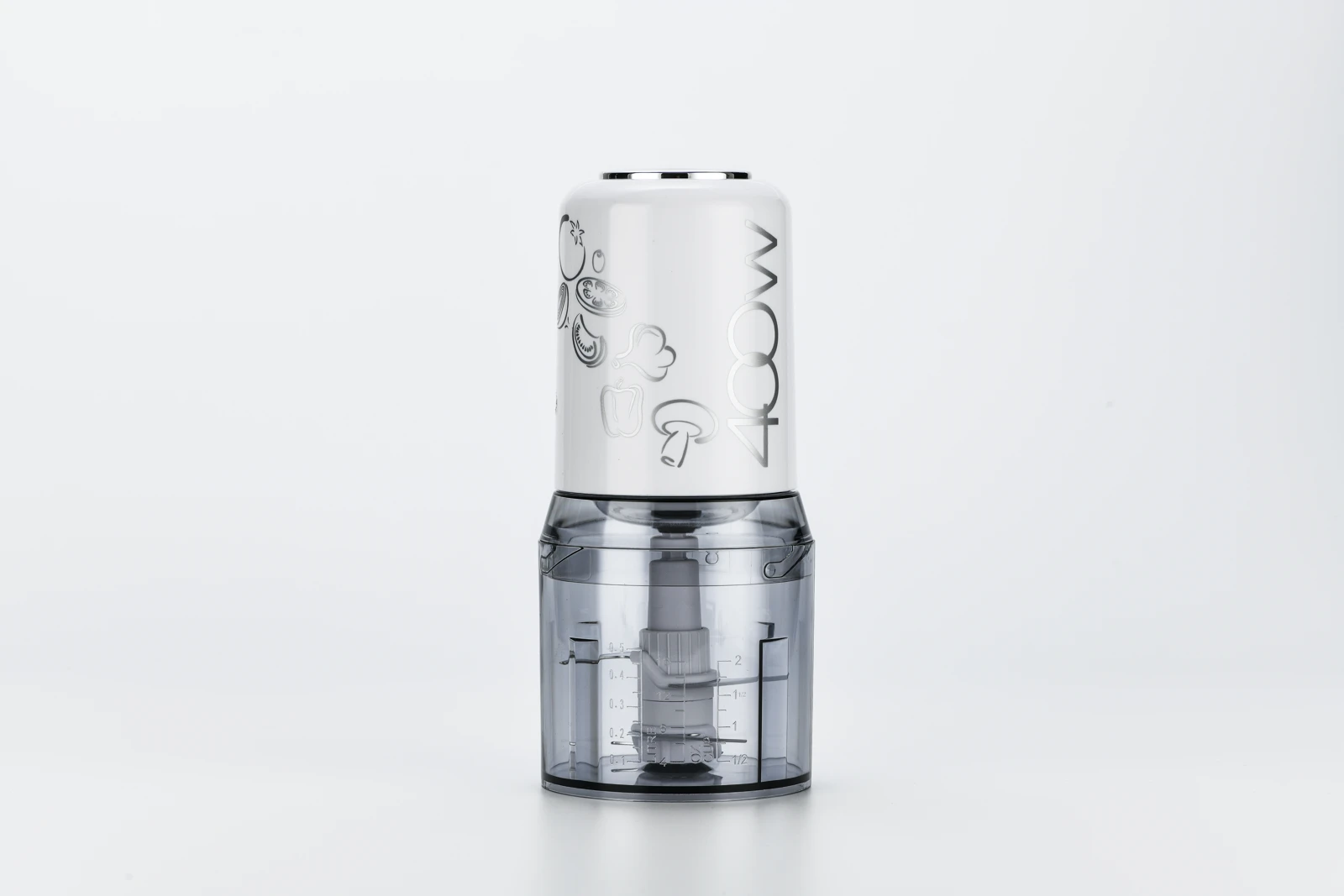
Measure the space required to place, operate and put away the assembled sample. Record the workspace and storage constraints separately.
Measure the assembled appliance
Take measurements from the physical sample in its documented configuration. Record the assembled height and footprint, and distinguish them from the retail-box dimensions shown in catalogue packing data. A storage shelf and an in-use counter are different reference locations.
Check the movement the user needs
Have the supplier show the documented movements for fitting and removing normal user-handled components with the appliance disconnected where required. Record the vertical and side space those movements need. An appliance that fits under a cabinet at rest can still need additional clearance for normal handling.
Approve the merchandising dimensions
Provide the retailer with the assembled measurements, storage arrangement, allowed orientations and measured sample ID. Where use requires additional clearance, describe it as part of the setup. Keep drawings and actual measurements separate until their revisions match.
What to include in your enquiry
Send the full model and destination, the proposed configuration, the buyer decision and the sample or documents already available. Ask which open items can be resolved for the specific order.
- Review the model record
Check the configuration reference.
- Discuss an order or sample review
Provide the intended conditions and open evidence questions.
| Check | Record | Decision |
|---|---|---|
| Assembled | Sample ID and footprint | Confirm counter space |
| Handling | Observed clearance | Check the intended workspace |
| Storage | Allowed packing or storage state | Approve the shelf measurement |
Can a box dimension be used as the appliance footprint?
Measure the assembled unit for the intended placement. Use box dimensions separately for storage and shipping.
Sources
Models covered by this guide
Check the current configuration, source and enquiry requirements on the individual model page.