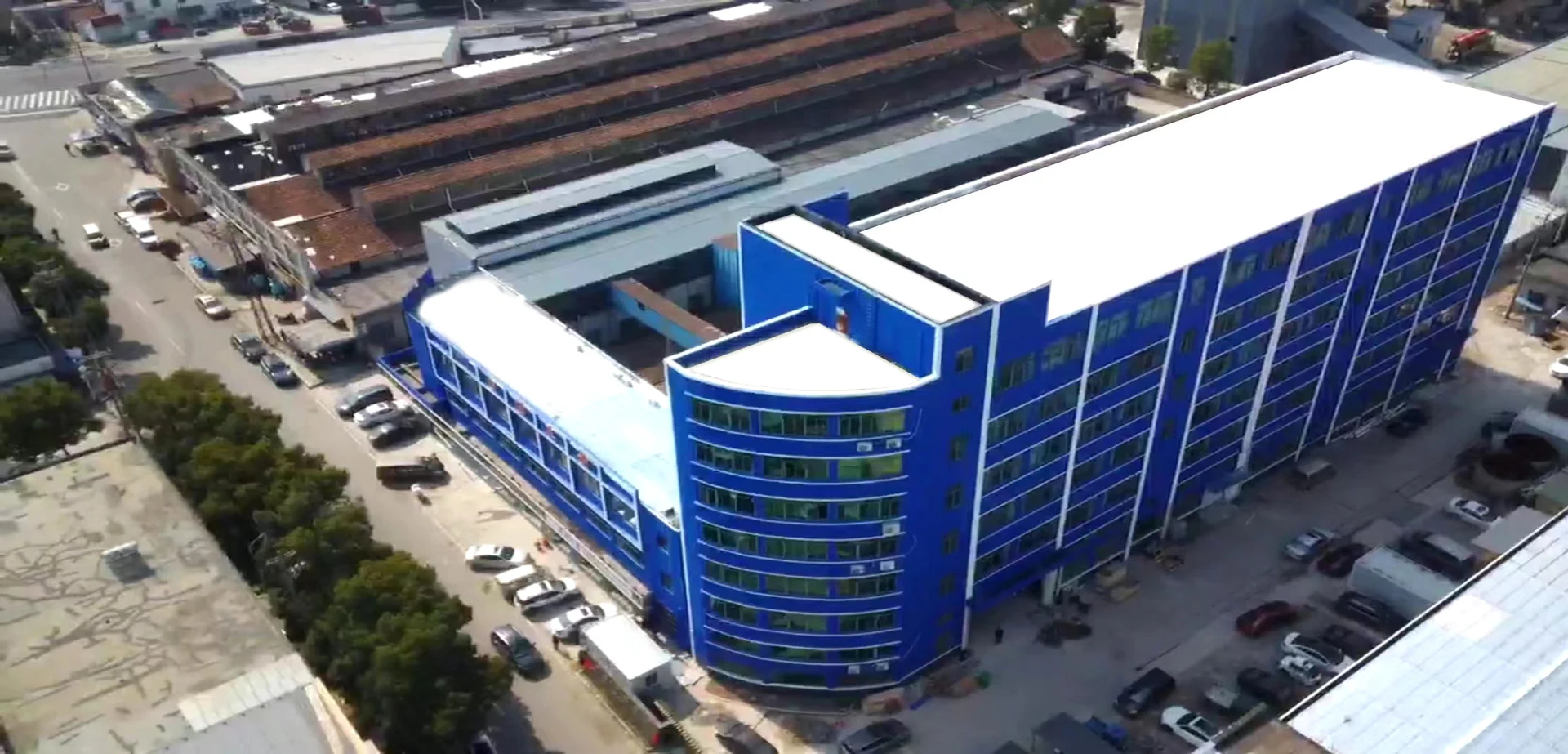
Company and manufacturing context
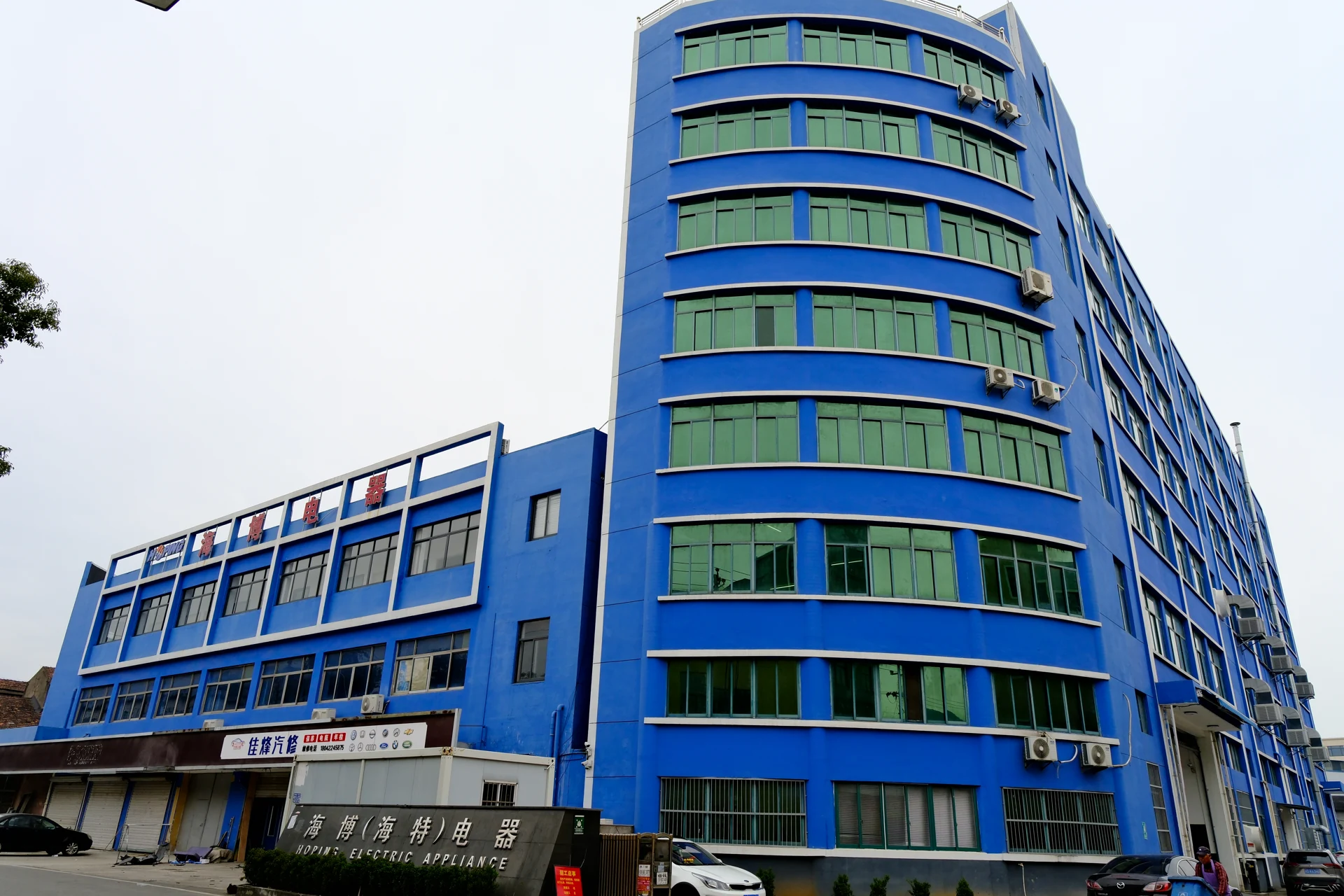
HOPING develops, manufactures and exports small kitchen and household appliances, with OEM/ODM cooperation evaluated by project. The company was established in 2003; owner-confirmed annual capacity is 2.5 million units. Capacity is not actual yearly output or a delivery guarantee.
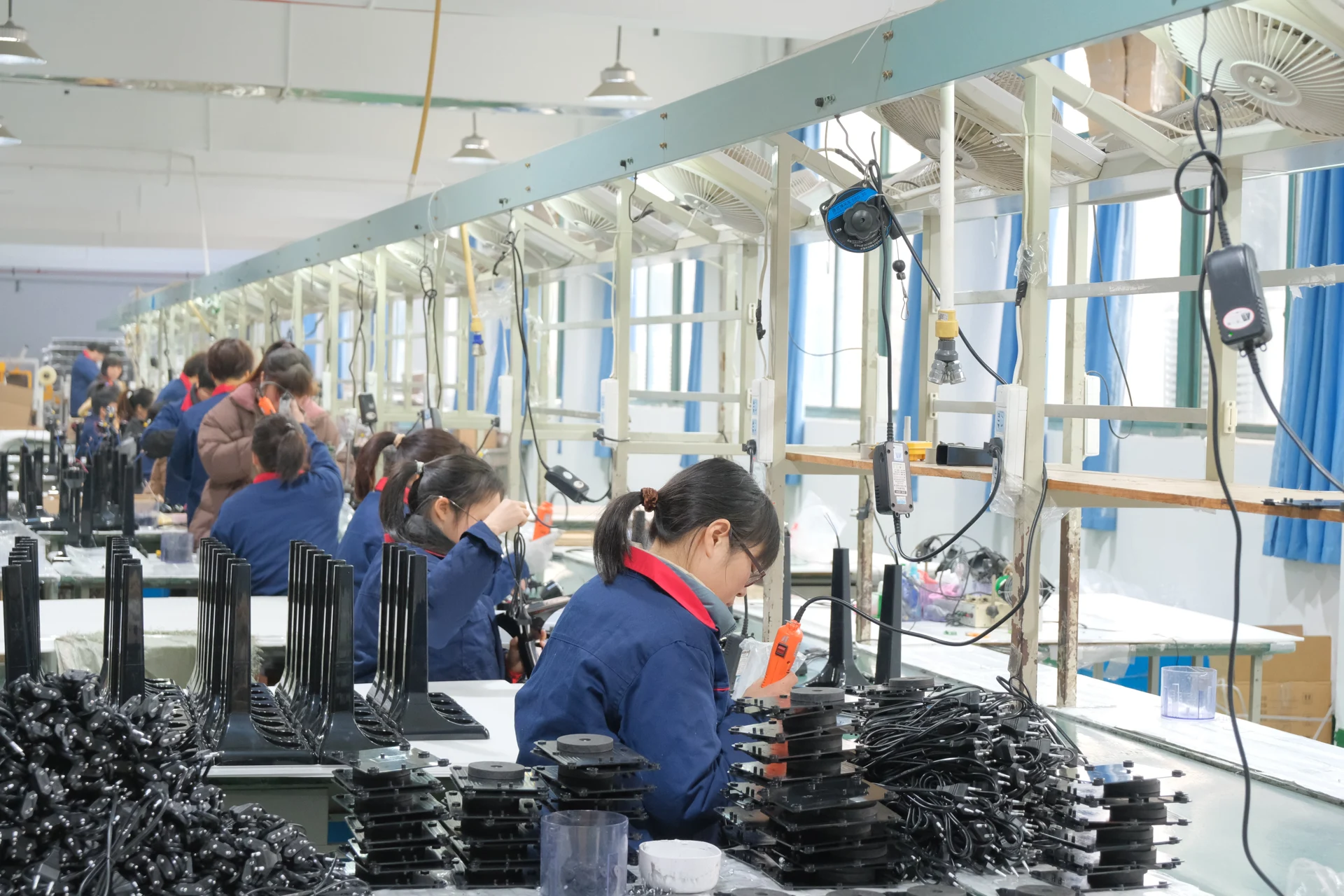
Assembly line
Operators work along the assembly line, with components and tools at individual workstations. See the dedicated assembly line page for the project review points.
Packaging line
Conveyors and carton-sealing equipment show the packaging stage of production. See the dedicated packaging line page for the project review points.
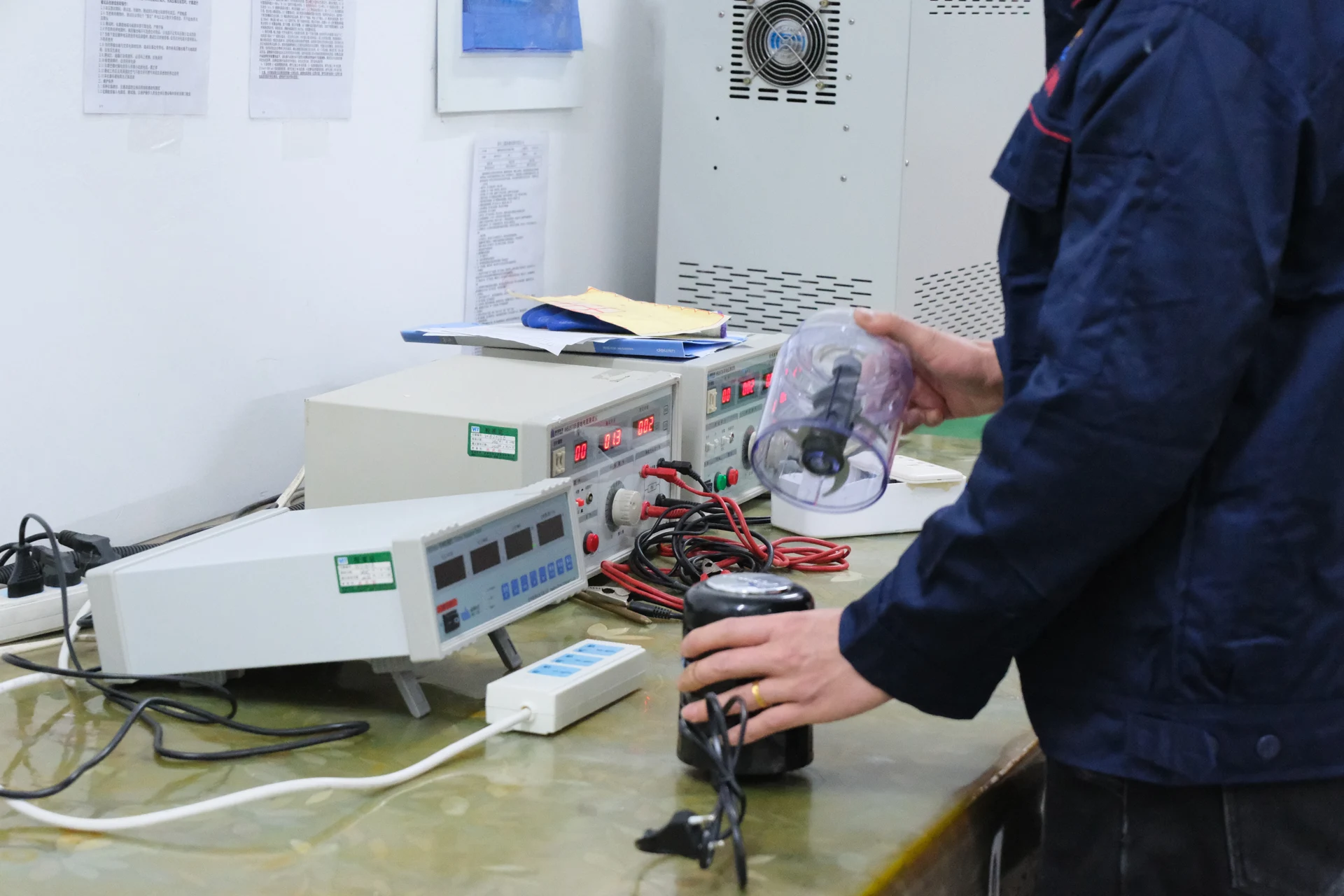
Product testing
An operator uses bench instruments to carry out a product check. See the dedicated product testing page for the project review points.
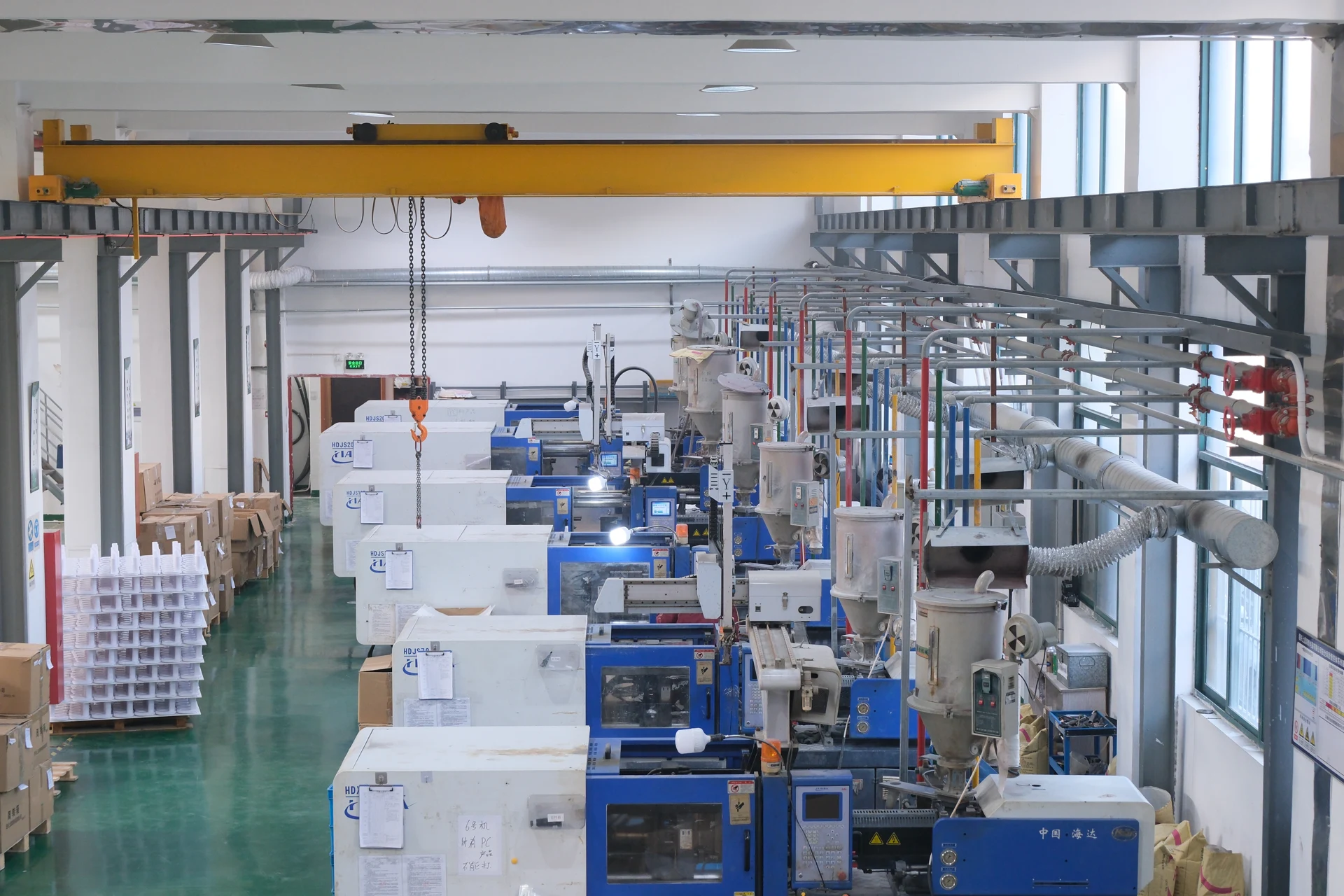
Injection molding
A view of injection molding machines and the surrounding production workspace. See the dedicated injection molding page for the project review points.
Your next kitchen appliance project
For an importer, distributor or private-label project, provide product type and target market, key specifications and customization needs, estimated quantity and delivery schedule. Project scope, specifications and timelines are confirmed case by case.
Company-supplied facility profile
The company information describes an 11,113 m² factory, more than 100 employees, four production lines and approximately 160 sets of production equipment, including 12 injection molding machines. It also describes an approximately 180 m² showroom. These are supplied company-profile figures; confirm their current scope and date during supplier qualification. The owner-confirmed total annual production capacity is 2.5 million units.
Development capability and planning
The supplied profile describes an internal R&D team and quality-testing laboratory, more than 30 launched new products and a plan to develop four to five new products annually. These are company statements and a development plan, not a promise of a fixed number of annual launches or a guaranteed development time. Ask for the actual project brief, milestones and review evidence.
Export and project access
The company describes its location as approximately 100 km from Ningbo Port and 220 km from Shanghai Port. Confirm the actual route, named port, transport plan and quote for the order. Use the published business contact to request showroom, factory or project-review arrangements.
Facility figures: confirm the measurement basis
The newer company questionnaire and export kit describe 11,113 m²; an older Chinese company presentation describes approximately 13,000 m². The site retains the source distinction and does not combine these into a larger total. Request the current site measurement and scope if floor area is part of your audit.
Are you the direct manufacturer or a trading company?
HOPING describes itself as a developer, manufacturer and exporter with its own factory. The supplied overview shows assembly, packaging, testing and injection molding. Ask for the contracting entity and current factory records when qualifying the supplier.
Which kitchen appliance categories are produced in your own factory?
The current catalogue defines the offered product range, but the supplied material does not establish the in-house versus outsourced production boundary of every category. Include your shortlisted models in a request for a process and production-site confirmation.
Where is the manufacturing facility, and can buyers visit or audit it?
The supplied contact address is Fenghui Industry Zone, Shangyu, Zhejiang, China. Contact HOPING to agree the exact visit location, schedule and audit scope; the source package does not establish an unrestricted audit entitlement.
What is your verified annual production capacity by product category?
The owner confirms total annual production capacity of 2.5 million units. A verified category-by-category split has not been supplied. This figure is capacity, not annual output, available order slots or a commitment for one category.
How many operating production lines support kitchen appliances?
The company information lists four production lines. Confirm their current allocation and availability for the selected model and order; the source does not establish four dedicated lines for each product family.
Which processes are in-house and which are subcontracted?
The factory overview contains photographs of assembly, packaging, bench testing and injection molding. A complete model-specific make-or-buy process map has not been supplied. Request one for any production step critical to supplier approval.
Can you show recent factory and quality-control evidence?
Review the supplied six-page factory overview and the individual process photographs. Photo capture dates and current order-specific inspection records are not established by the PDF. Request dated records for your audit scope.
What information should buyers compare when shortlisting food chopper suppliers?
Compare full model/configuration, source specifications, bowl and blade details, approved sample, document scope, packaging, customization, order terms and inspection criteria. Keep unknown items separate from confirmed values; an attractive factory photo cannot fill a missing test report.
Which markets have you previously supplied, and what evidence can you share?
The company information identifies the Americas, Europe and the Middle East as target regions. Customer names, shipment volumes and authorized references require separate verification and disclosure permission; no named customer endorsement is asserted here.
Who will be responsible for engineering, quality, and shipment communication?
Start with the published HOPING business contact and ask for the named engineering, quality and shipment responsibilities for your project. A signed brief should identify who approves specifications, samples, changes and dispatch documents.
Inside the facility